
Now Reading: Bose open-sources its SoundTouch home theater speakers ahead of end-of-life
-
01
Bose open-sources its SoundTouch home theater speakers ahead of end-of-life

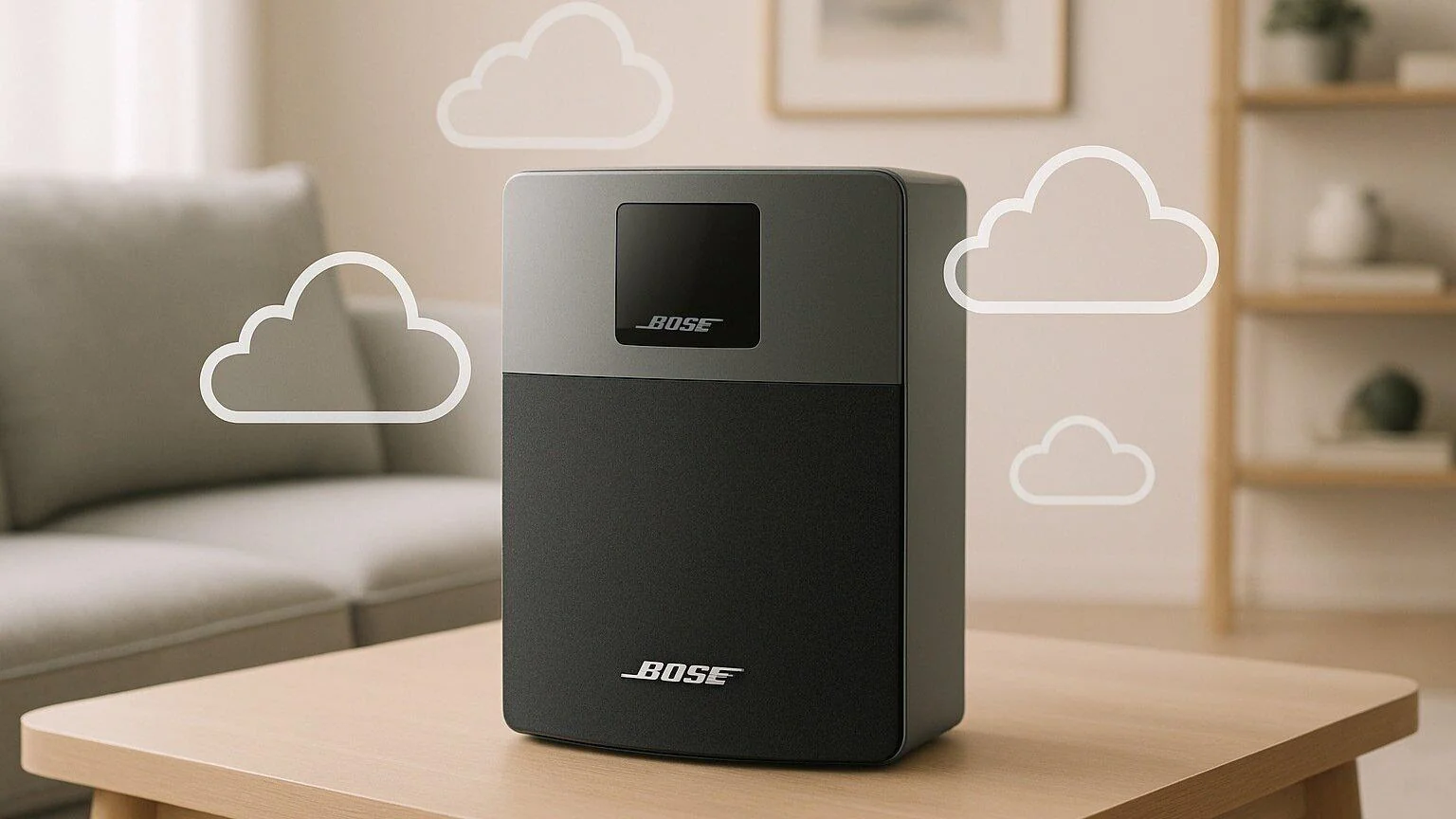
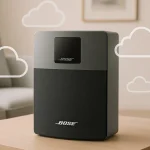
Bose Corporation has announced a significant move in its home audio lineup by open-sourcing its SoundTouch home theater speakers as the product line approaches its end-of-life phase. This decision allows developers, hobbyists, and audio enthusiasts to access the underlying software and hardware specifications, creating opportunities for custom integrations, third-party enhancements, and extended functionality beyond the official Bose ecosystem.
A Strategic Shift Toward Openness
For years, Bose has maintained tight control over its proprietary audio hardware and software, ensuring a seamless user experience but limiting community-driven innovation. With the open-sourcing of SoundTouch, the company is embracing a more transparent and collaborative approach, enabling third-party developers to experiment, fix bugs, and even build new features for legacy devices.
This initiative includes access to:
- Firmware and software source code
- APIs for audio control and streaming
- Technical documentation for hardware integration
By releasing this information, Bose allows the community to extend the lifespan and functionality of SoundTouch speakers, which might otherwise become obsolete following the official discontinuation.
Extending the Life of Existing Devices
SoundTouch, Bose’s smart home audio platform, has been popular for its high-quality wireless streaming, multi-room audio capability, and compatibility with various music services. However, as the company shifts focus to newer product lines such as Bose Smart Home speakers and integration with voice assistants, SoundTouch devices were approaching the end of official support.
Open-sourcing the platform ensures that enthusiasts can maintain and upgrade their existing systems, reducing electronic waste and allowing older hardware to remain functional in smart home setups. Users can potentially add new streaming services, tweak performance, or integrate with home automation systems that were previously unsupported.
Encouraging Community Innovation
Bose’s decision signals a recognition that the audio enthusiast community is an asset. Developers can now create new software modules, improve user interfaces, or experiment with sound optimization and multi-room synchronization in ways that were previously restricted. This could lead to:
- Custom sound profiles and EQ adjustments
- Integration with non-Bose smart home ecosystems
- Enhanced automation features, such as triggering audio events based on environmental sensors
By opening the platform, Bose is effectively crowdsourcing innovation, allowing fans and developers to contribute directly to the product’s evolution.
Implications for the Smart Home and Audio Market
The open-sourcing of SoundTouch may influence broader trends in the consumer audio industry. Many smart speaker and home theater manufacturers maintain proprietary control over devices, limiting third-party enhancements. Bose’s move demonstrates that embracing openness can extend product life, build community goodwill, and foster innovation without compromising the brand’s reputation for high-quality audio.
Additionally, this initiative may encourage other companies to consider similar approaches as legacy devices reach end-of-life, providing value to both consumers and developers.
Future Outlook for Bose Products
While SoundTouch itself is nearing retirement, Bose’s current and upcoming products focus on voice integration, AI-driven audio optimization, and seamless connectivity with smart home ecosystems. The company’s open-source approach for SoundTouch complements these new directions by showing a commitment to user empowerment and community-driven enhancements.
For consumers, this means that while SoundTouch devices may no longer receive official updates, the community can keep them current, functional, and relevant for years to come. Audio enthusiasts now have the opportunity to customize and innovate on a platform that was once closed, potentially creating entirely new experiences around Bose home theater hardware.
Bose’s decision to open-source its SoundTouch home theater speakers is a forward-thinking step that balances legacy support, sustainability, and community engagement. By empowering developers and users to innovate, Bose extends the value of its devices beyond their commercial lifecycle, setting a potential precedent for other companies managing end-of-life products in the tech and audio space.
For SoundTouch owners and audio hobbyists, this move provides unprecedented opportunities to experiment, optimize, and integrate their systems in ways that were not previously possible, ensuring the platform remains vibrant even as official support winds down.